Introduction:
Proper waste management is essential for minimizing environmental pollution, conserving natural resources, and promoting sustainable living practices. In this post, we’ll explore the principles of waste management and share practical tips for reducing waste, reusing materials, and recycling effectively to create a cleaner and healthier environment.
The Environmental Impact of Improper Waste Disposal:
Improper waste disposal, such as littering, illegal dumping, and landfilling, can have detrimental effects on ecosystems, wildlife, and human health. Plastic pollution, in particular, poses a significant threat to marine life, with millions of tons of plastic waste entering the oceans each year. Additionally, landfills emit greenhouse gases and leach harmful chemicals into the soil and water, contributing to environmental degradation and climate change.
Practical Tips for Sustainable Waste Management:
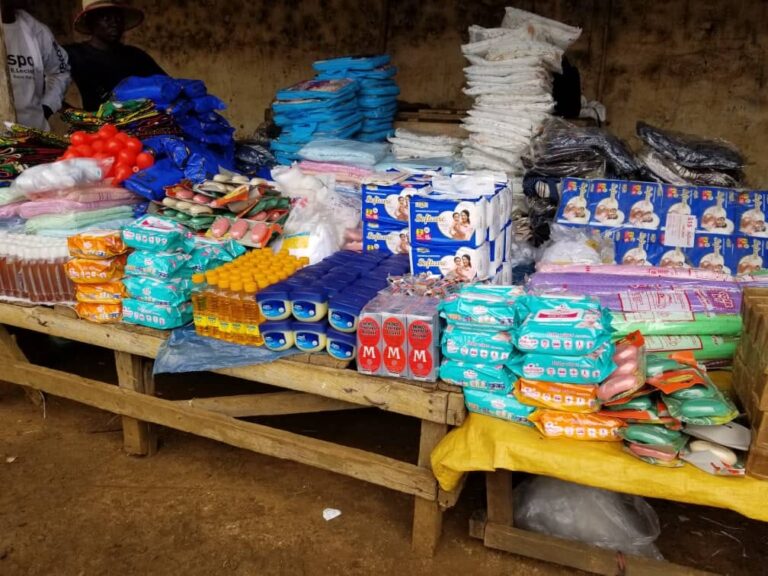
- Reduce Consumption: Minimize waste generation by avoiding single-use items, choosing products with minimal packaging, and opting for reusable alternatives whenever possible.
- Reuse Materials: Give new life to items by repurposing them for different purposes or donating them to others in need. Get creative with DIY projects and upcycling ideas to extend the lifespan of products and reduce waste.
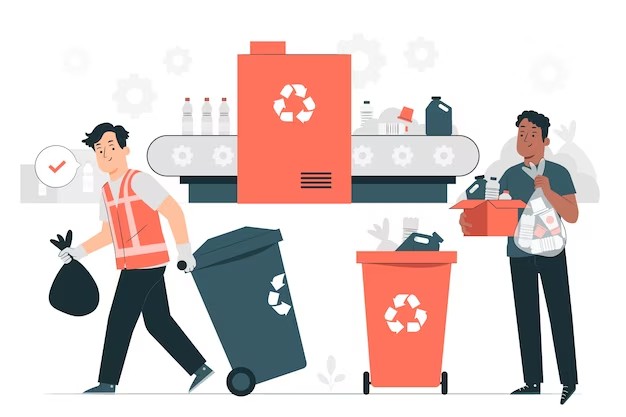
- Recycle Responsibly: Separate recyclable materials from non-recyclables and follow local recycling guidelines to ensure proper disposal. Educate yourself about recyclable materials and their recycling processes to maximize recycling efforts and minimize contamination.
Conclusion:
Effective waste management is essential for preserving the health of our planet and future generations. By adopting sustainable waste reduction, reuse, and recycling practices, individuals can minimize their ecological footprint and contribute to a cleaner, healthier environment for all.